The Life Beyond the Gesture

Beyond the Gesture

An invitation to new life.

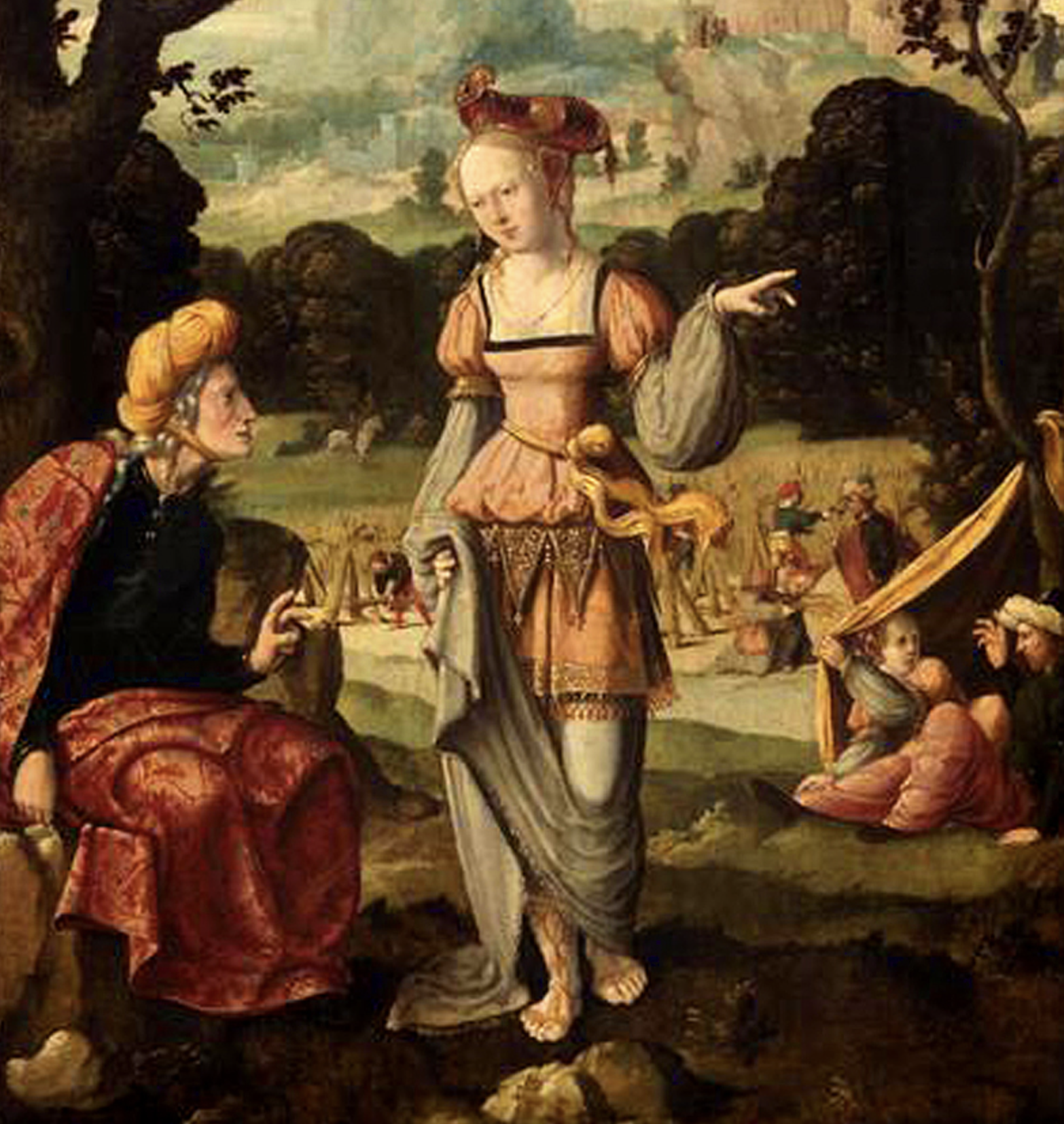
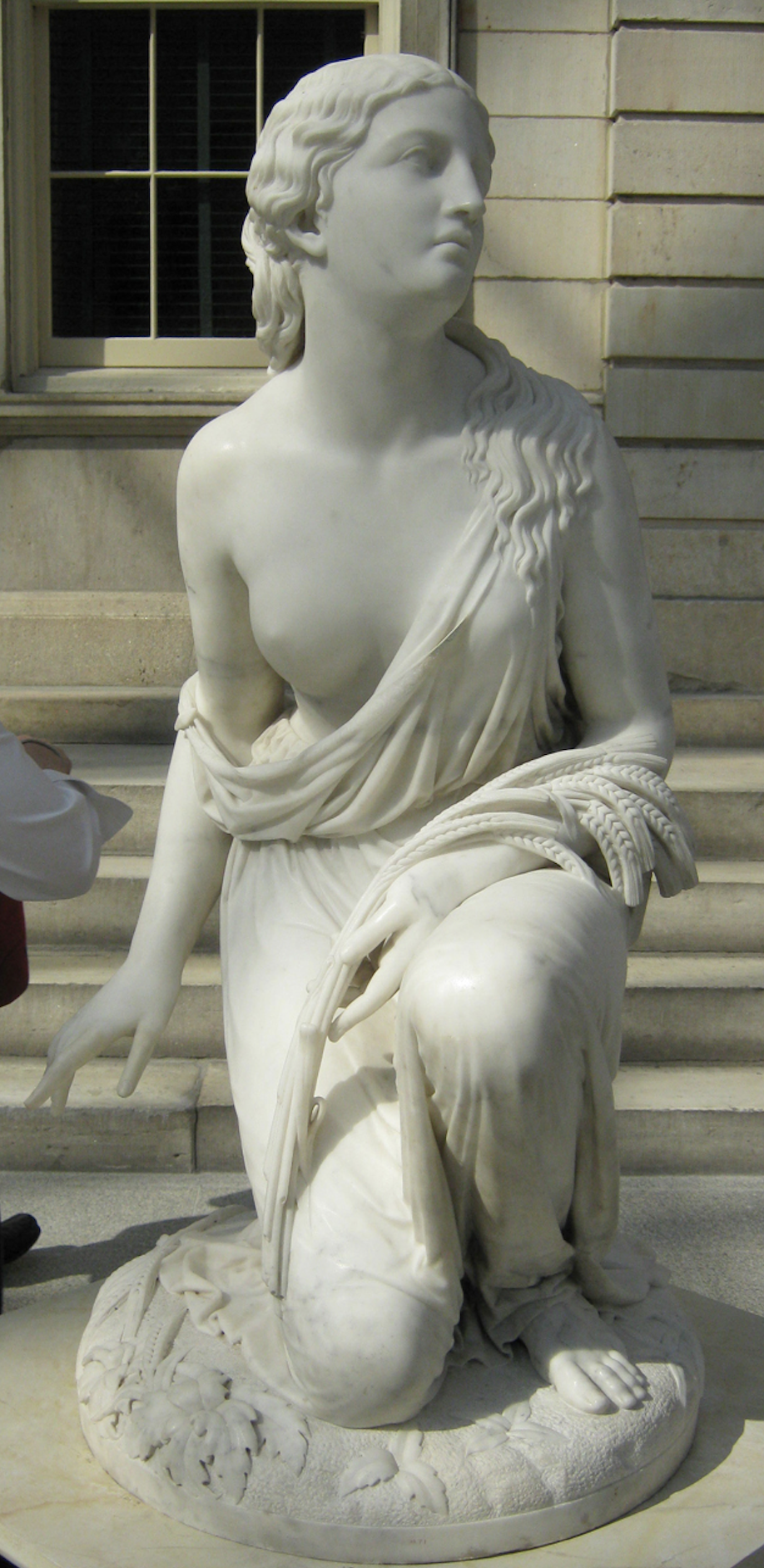
The book of Ruth is a story about a nation enduring famine, told through the lens of one particular family: Elimelech, Naomi, and their two sons, Machlon and Kilyon. As it is with every life and story, so too the book of Ruth is lined with a wealth of complex details, each conveying some additional treasure within the story:

Geography:

Rabbi Chaim Jachter notes that Moab has a similar climate to Israel. So when the famine came to Israel, it also came to Moab. While we would understand and even expect for a family to migrate and seek refuge in another territory of abundance, this was not the case. In fact, Moab was a land and people with a historic animosity towards the Israelites - no Moabite ever offered hospitality to the Israelites when they passed through. It was so noted and remembered that it became forbidden to marry a Moabite (Deuteronomy 23.4). Elimelech, being an aristocrat with wealth and status did not seek refuge in Moab, but abandoned his hungry kinsmen and neighbors to seek “safety and security” in a land and among a people who would not ask anything of him.

Naming as Potential:

Rabbi Jachter also points out that the names of the sons, Machlon and Kilyon are filled with symbolism. Machlon may be derived from the word “machala,” which means “sickness” or it may derive from the word, “mechol,” which means “joyful dance.” Similarly, Kilyon has a dualistic derivative possibly shaped by the word, “kalah,” which means “destruction” or “va’yechal,” which means “completion.” Jachter calls our attention to the rich potential within their sons to choose and live in a way that leads one way or another. The commentary then suggests that they chose like their father, Elimelech.

More to be Said:

Rashi understands the vows of commitment made from Ruth to Naomi as a rebuttal to Naomi’s every reason why Ruth should stay in her land with her family.

For wherever you go, I shall go. From here our Rabbis of blessed memory derived that if a [prospective] proselyte comes to convert, we inform him of some of the punishments [for violating the commandments] so that is he decides to renege [from his intention to convert], he can renege; for out of the words of Rus, you can learn what Naomi said to her. [Naomi said.] “We may not venture outside the boundary [of 2000 cubits beyond city limits] on Shabbos.” She [Rus] replied to her, “For wherever you go I shall go.” [Naomi then said,] “We are prohibited to allow a woman to be secluded with a man who is not her husband.” She [Rus] replied, “Where you lodge, I will lodge.” [Naomi said,] “Our nation is separated from other nations by 613 commandments,” [and Rus replied,] “Your people are my people.” [Naomi said,] “Idolatry is forbidden to us,” [to which Rus replied,] “Your God is my God.” [Naomi then said,] “Four [types of] death penalties were delegated to Beis Din [to punish transgressors],” [and Rus replied,] “Where you die, I will die.” [Naomi continued,] “Two burial plots were delegated to Beis Din [to bury those executed], one for those stoned and those burned, and one for those decapitated and those strangled.” She [Rus] replied, “And there I shall be buried.”

What shines through within this first chapter is a firm insistence of the author that within every landscape and at every juncture of life, we have some measure of choice and agency - even if it may be small. Elimelech could have stayed and shared his wealth with his kin and neighbors, but chose to flee and hoard it all. The sons could have returned to Israel or practiced generosity in Moab, but they chose to try and keep it all too tightly, and lost it all. Orpah and Ruth could have each returned to their family to try and start over. One did and the other did not. We have a choice.

We have choice: to flee or to stay; to share or to keep. We have a choice: to live up to our name and calling, or to succumb to something much less. We have a choice: to return to the familiar or to begin anew.

Our tradition holds a defiant fist in the air at any idea of fate (resurrection anyone?) - we have a choice in the matter. And not only do we have a choice, the story of Ruth shows us just how much consequence our choices can hold.

And so we pray not to be perfect in everything as though salvation is acquired through the perfect life. But we pray to have a clarity of vision and a courage of the soul to sense and understand the choices before us, and the invitations to a richer life that may come from being faithful to God, ourselves, and one another.

Peace,

Rev. Chris McCreight

Manuscript and Video to the sermon, “The Way Back Home”


In Our Church and Community:

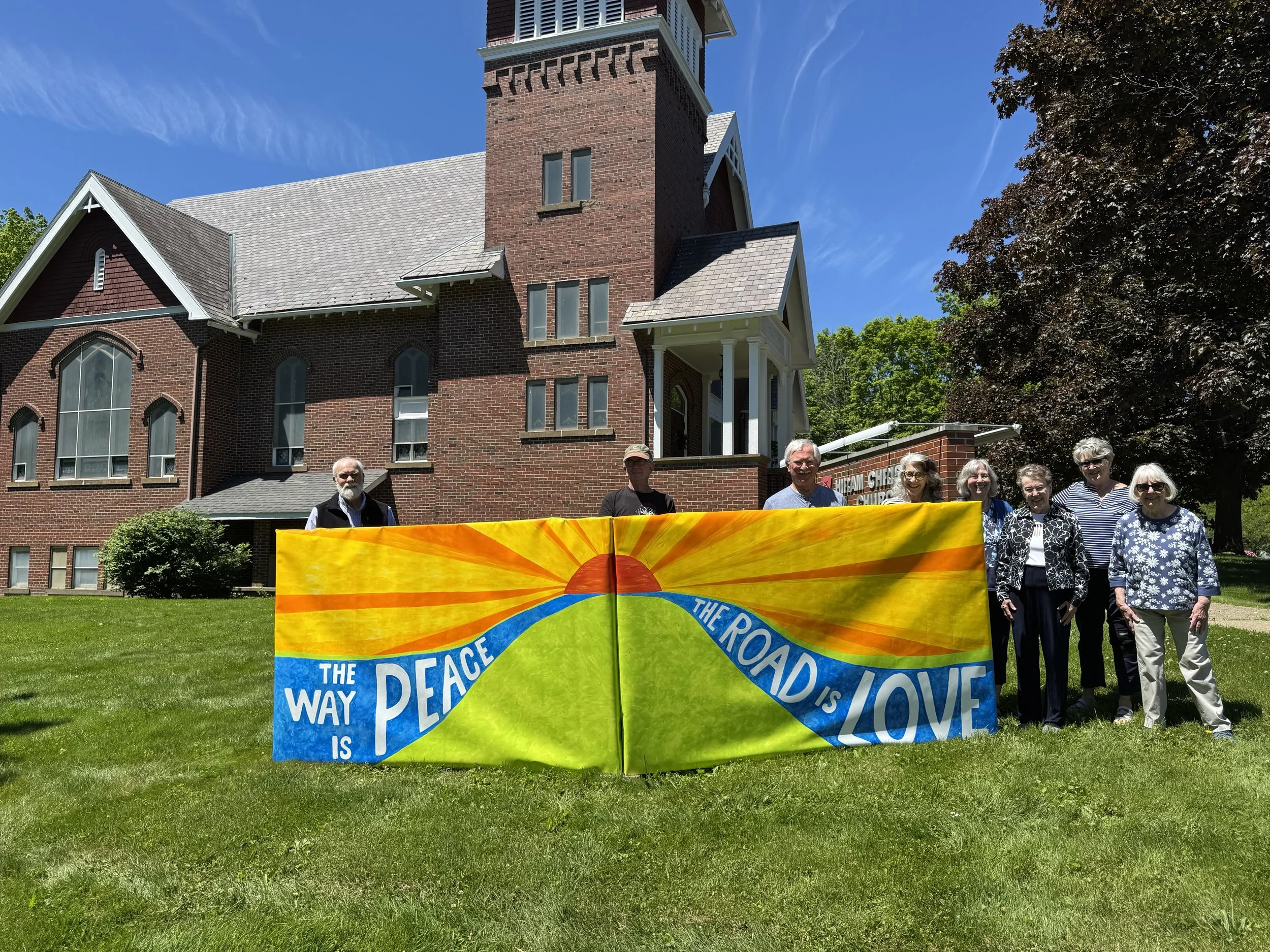
A new installation as part of the Common Good: Inspired by Marcia Muster and created by Isabel Kopp

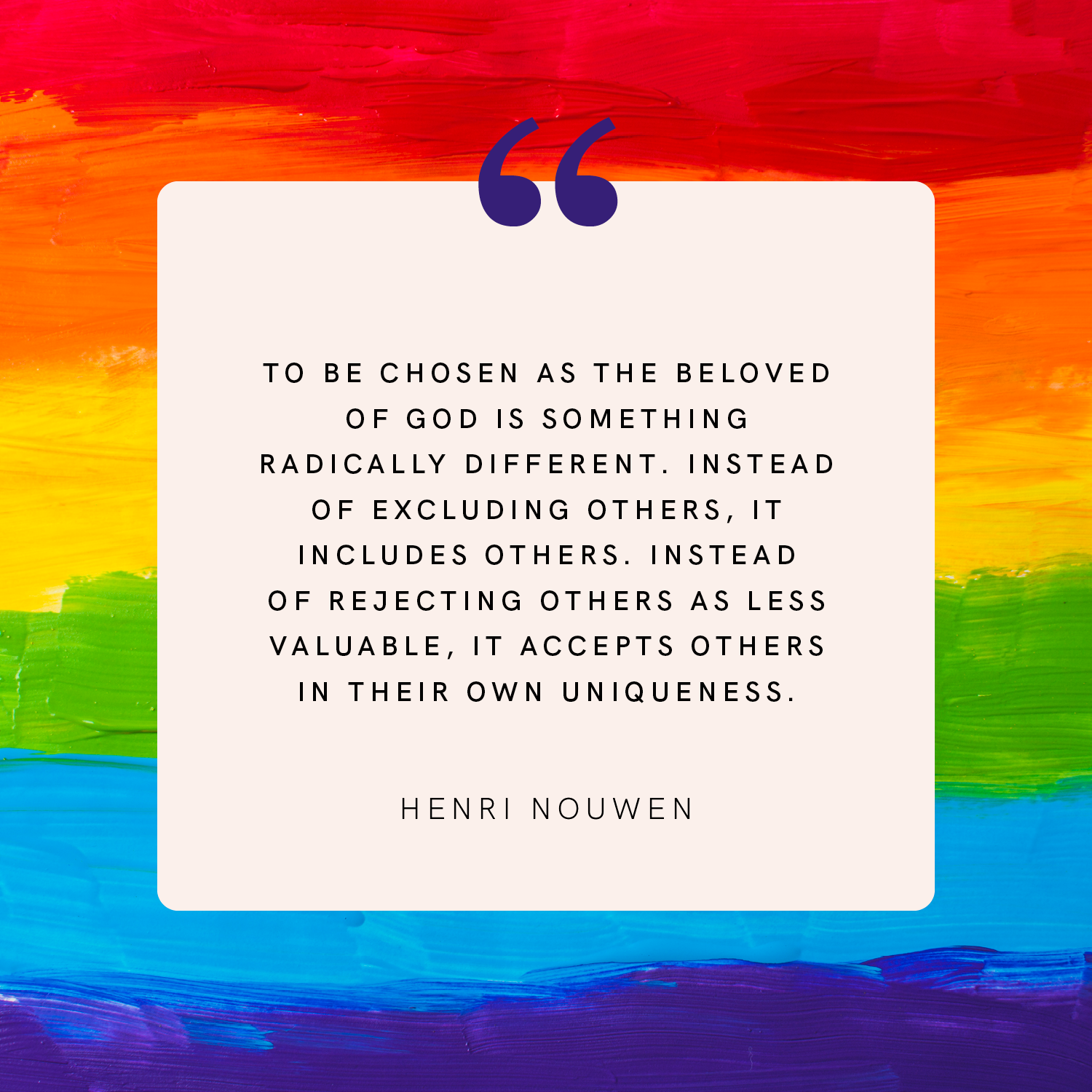
We’re celebrating the 2nd Anniversary of becoming an Open and Affirming congregation within the Christian Church (Disciples of Christ). May we continue to live into this commitment for all of God’s beloved children.

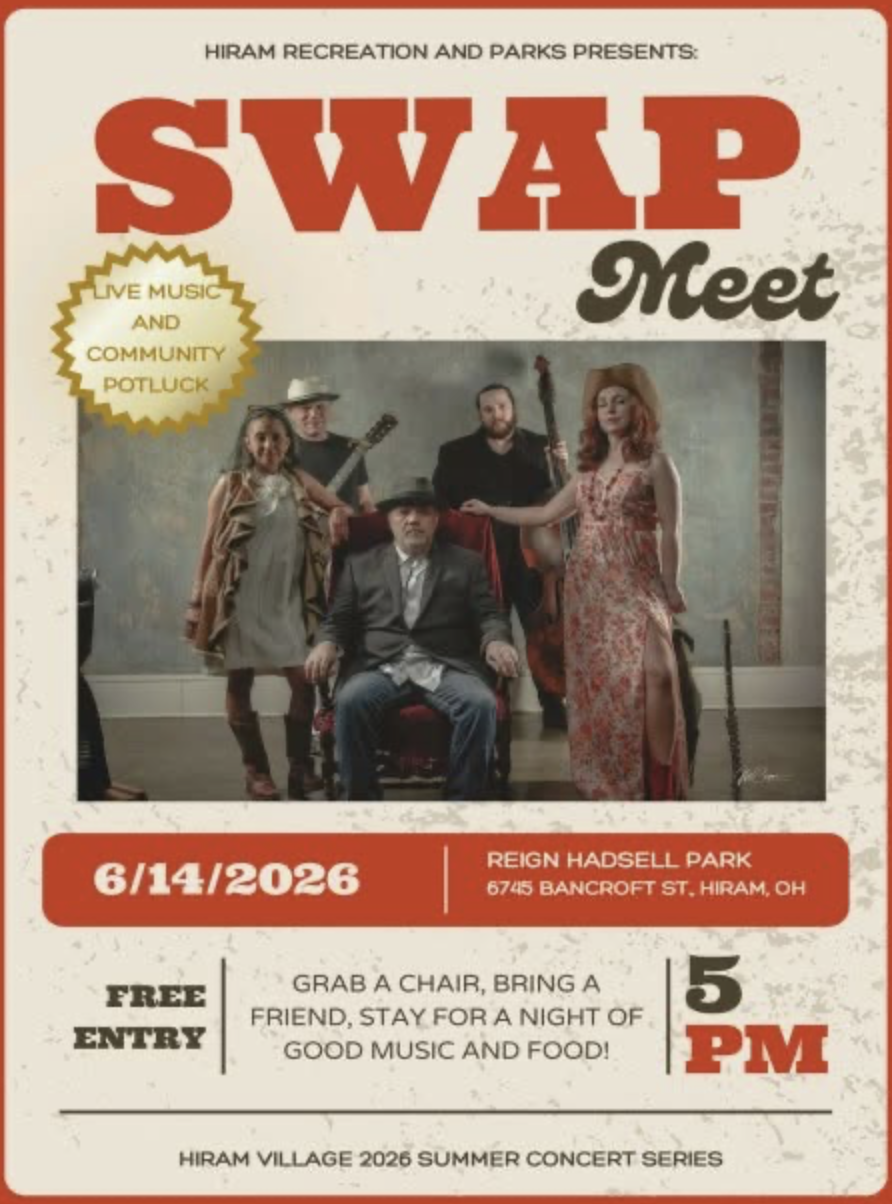
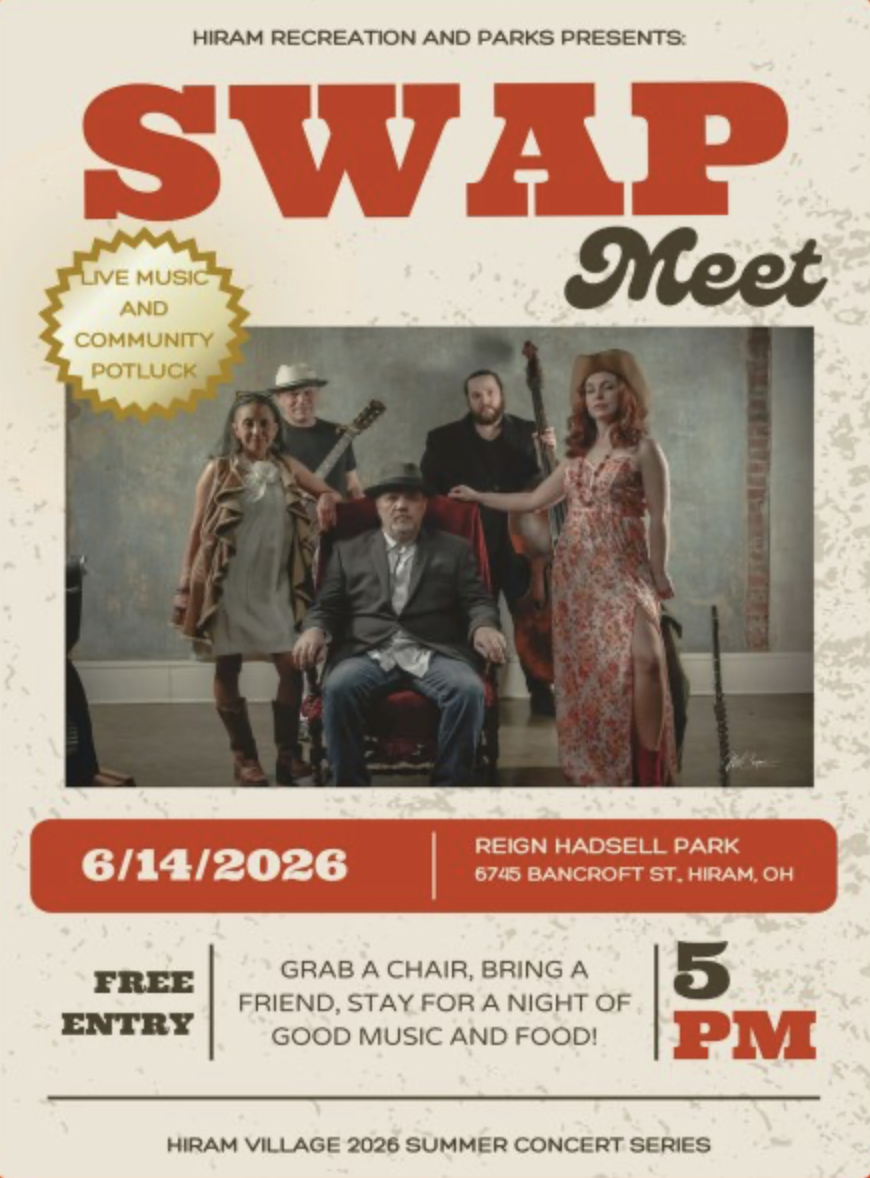
The first concert of Hiram’s series at Reigh Hadsell Park (aka “the Zip-line Park with the Gazebo”)

A Slow Burn

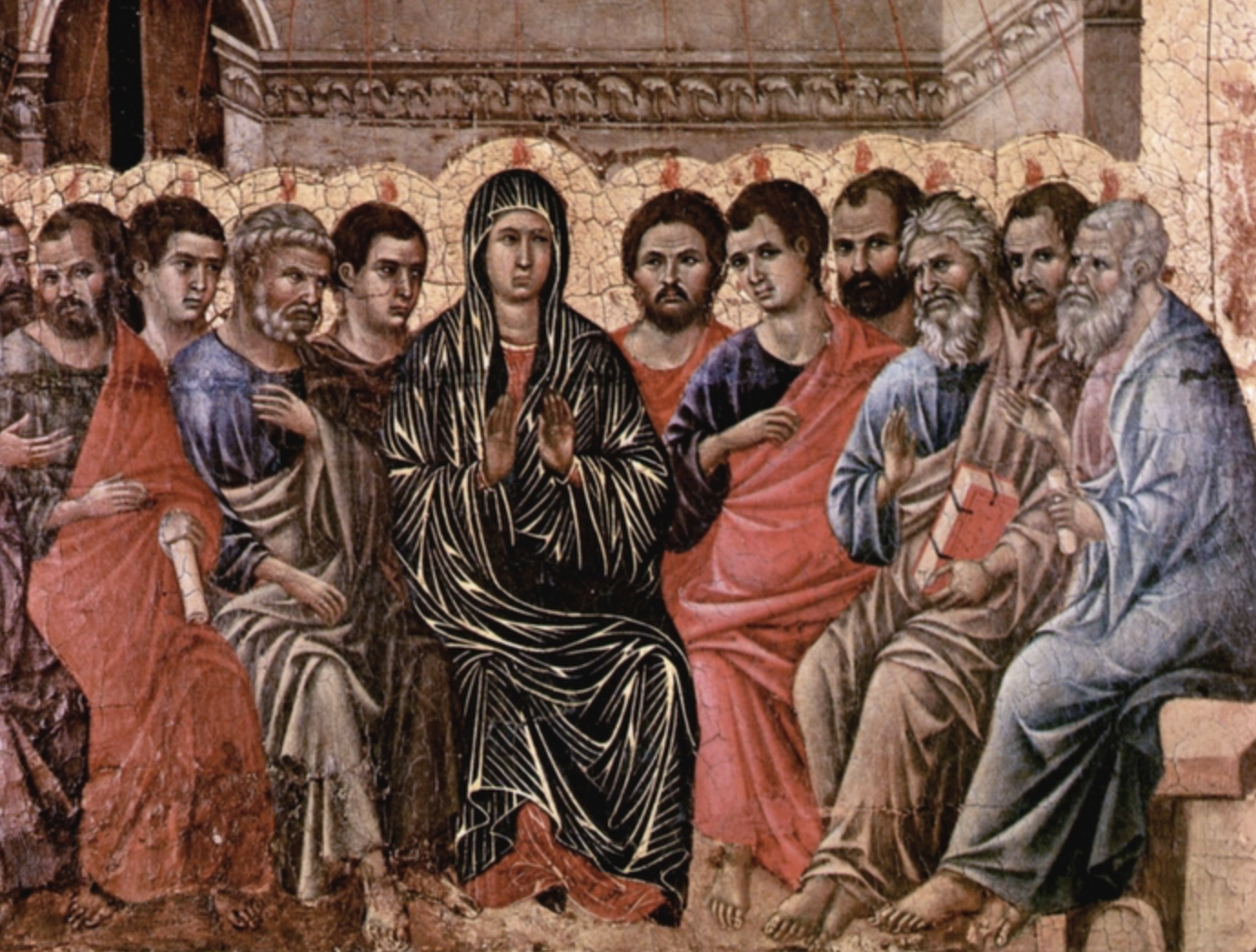
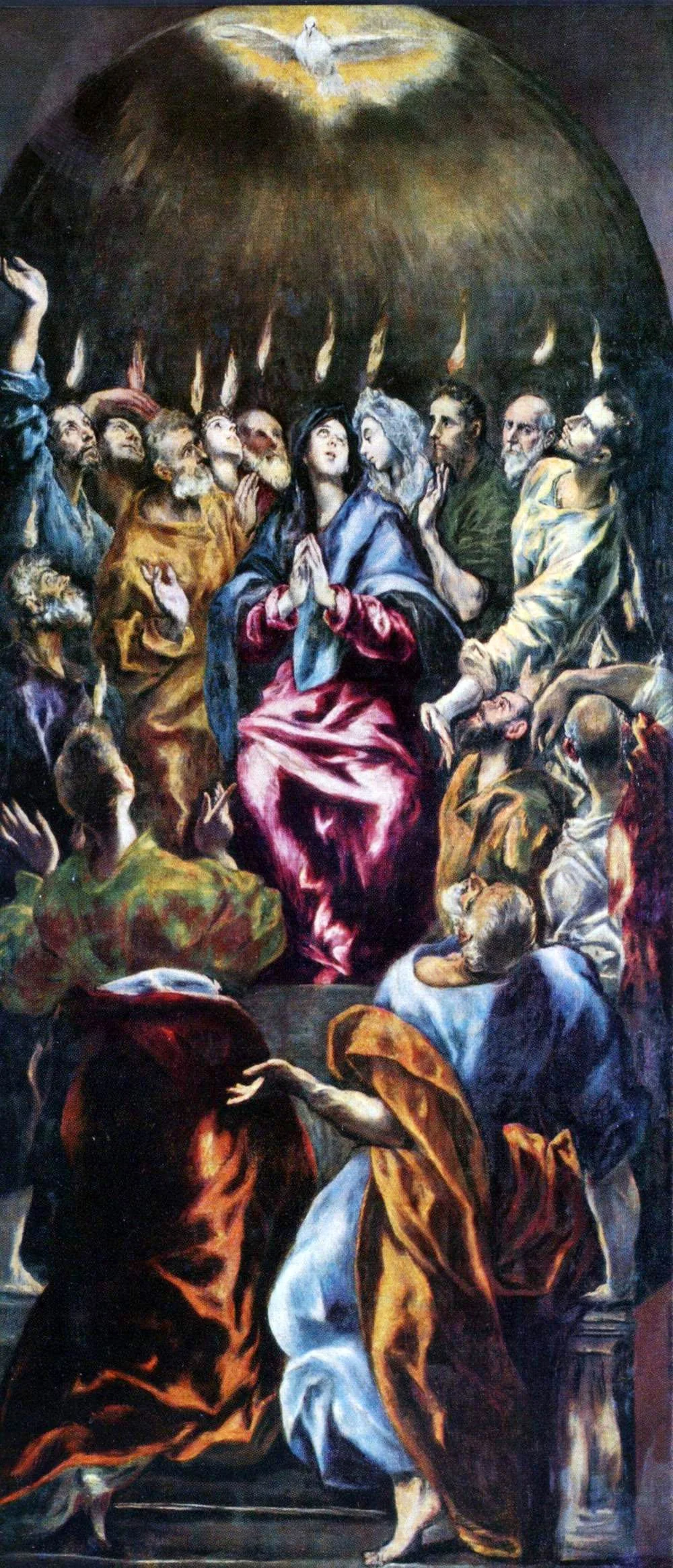
To move through the story of Pentecost in Acts 2 is often to come away with an image of a small gathering blessed and charged to go and fulfill Christ’s great commission. The Spirit moves through the room like the sound of a rushing wind and suddenly, divided tongues “as of fire” sat upon each of them - the apostles can hear and be heard by all peoples of the world who had gathered in Jerusalem for this festival. There is proclamation and reception, repentance and baptism - 3,000 strong.

It’s often interpreted as a story of victory. The success of the Spirit to use the apostles to make more disciples. The Church is born and already growing. Happy Pentecost.

And while this is certainly a feature of the story in the understanding of the author(s) of Luke/Acts, there is perhaps another way to view this with the help of Peter Rollins’ “Pyrotheology.”

Rollins suggests that part of the work of God and the Spirit is to burn down the walls between us and God, us and others. He encourages the Church to honor and embrace our doubts, questions, and brokenness. He is generally suspicious of certainty and answers, and so he brings all of this to the concept of evangelism and conversion and suggests that at least part of the work of the Church is not to evangelize, but to be evangelized to - not to center our understanding of the gospel, tradition, and faith, but to be de-centered from it that we may open ourselves to God.

Divided Tongues as of flame

O Divine Master,
grant that I may not so much seek
to be consoled as to console;
to be understood as to understand;
to be loved as to love.

~ St. Francis of Assisi

Perhaps the divide tongue that enables each of the disciples to be heard is not necessarily to speak and provide the answers, but to speak and ask questions of others. Perhaps the gift of the divided tongue is not so much to be understood, but to understand. 3,000 came for Peter’s answers. How many more may have come to engage in sacred conversation?

What could it look like for the Church to use this gift of the Spirit not to bolster our certainty and proclaim ever more of what we believe, but to ask the questions of others and listen?

We have some stories of divine revelation - burning bush, pillar of fire, and now tongues of flame. But in no case is God ever fully revealed and understood entirely. Every flame is followed by questions, journeying, trust and doubt. The flame is then perhaps not to give us the answers, but to become something like a lamp - a spirit that invites others to it, a light that allows us to see others and the world more clearly. It is to lead us outward to gradually open and refine us, to be less of who we (or the world) are so certain we are and more faithfully become who God has created and called us to be; to depart from an idea of needing to convert and transform others to our image, and to orient our hearts to serving and loving the world as it is.

So perhaps this is the work of the Spirit - a slow burn throughout our lives.

May the Spirit’s flame within your heart open your life to the fullness of God, this world, and others. May it lead you to becoming more and more of who God has created you to be. And may the Spirit guide Christ’s Church into genuine service and relationship with the world.

Peace,

Rev. Chris McCreight

Manuscript and Video to the view the sermon, “A Slow Burn”


Your Pentecost Special Offering Benefits New Church Ministry

In Our Church and Community:

Communion and Community as Salvation

CommuNion and Community

Salvation unfolds in the shelter of all that we “live, move, and have our being.”

It has been quite edifying to return to the journey and writings of Paul through the lens of The Acts of the Apostles and Philippians.

As we have moved through the recent lectionary texts, I have observed two distinct portions of the Apostle Paul. The first is the image of the servant himself - one whose certainty became zealotry; one whose sense of God and calling was then disrupted and reset; one who then becomes even more certain in some ways of the grace that has been outpoured yet while imperfect, becomes a conduit of that grace. The second is of the image of faith and salvation that emerges in some essence - beyond the formal articulation on the page.

This essence is not always in the foreground of Paul’s letters. Perhaps more often, Paul writes as though he is in a debate (which he often was), providing an interpretation of the faith that is precise, literal, and logical. To read through the letters to the Church in Rome and Galatia is to come away with Paul’s understanding of the mystery of Christ’s death and resurrection, and the relationship and purposes of Law and Grace. But it is difficult to locate within them encouraging words for what this all might mean for the daily journey when one isn’t fighting off heretics.

But within portions of Acts and Philippians, it seems that the defenses have come down and Paul is simply sharing of the deep love of the soul.

Paul Visits Peter in Prison

It is within these texts that we hear Paul speak of a God “in whom we live, move, and have our being,” which is one of the most beautiful images of God and faith. This is among the scriptural groundings for the mystics and one that seeks to train the senses through the lens of the heart. Who is God? How does God relate to us and vice versa? What does faith and salvation look like?

Live. Move. Breathe.

Yeah, it’s like that.

It is the tie and communion with God in which all things unfold.

When Paul is connecting to the Philippians, he then notes that faith and salvation are all in some state of process. There is some good work that has begun and is underway, and God will continue to partner with them. They are growing in love and wisdom - more each day. And then they are “working out their own salvation - with fear and trembling” (reverence and humility) together in community. Who is God? How does God relate to us and vice versa? What does faith and salvation look like?

A partner, friend, or lover. Among, within, and between you and me and all of us. Here and now. Behind and Before. Forever and Ever. Amen.

It seems more ethereal and transcendent than elsewhere Paul has put pen to paper (quill to papyrus), but it resonates with everything the soul knows to be true.

Within our scripture and tradition is a world of theological treatises often designed more to defend a position than to extend an invitation. This short walk with Paul may remind us again that the stuff of religion and faith is most powerful and genuine when it emerges from affection and wonder. It may be interesting and perhaps even beneficial to learn of one school of thought’s interpretation of ancestral lineage, sin, and grace, but more so is the invitation to come alive to what God is doing here and now.

May we give thanks for the great inheritance of the tradition we have received. May we give thanks for good debates and sound theological arguments. But let us give greater thanks for the portion of faith that is the experience of the heart/soul in daily living. The work and care, routine and surprise, sorrow and delight, friend, neighbor, and foe, rain, shine, and snow, rest and exhaustion, lament and frustration, elation and joy… it’s all unfolding in and with God;

May we continue to be Christ’s Church,

Rev. Chris McCreight

Manuscript and video of the sermon, “The Christ Hymn”


If anyone wonders how Jesus raised the dead,
don’t try to explain the miracle.
Kiss me on the lips.

Like this. Like this.
— Rumi

In Our Church and Community:

Details of the Hiram Memorial Day Service


Continued Discussions on the Hiram Fire Department:

Joint Fire District Proposal from Hiram Village

Newsletter from Hiram Township


A Change at the College / A House of Prayer for All Nations

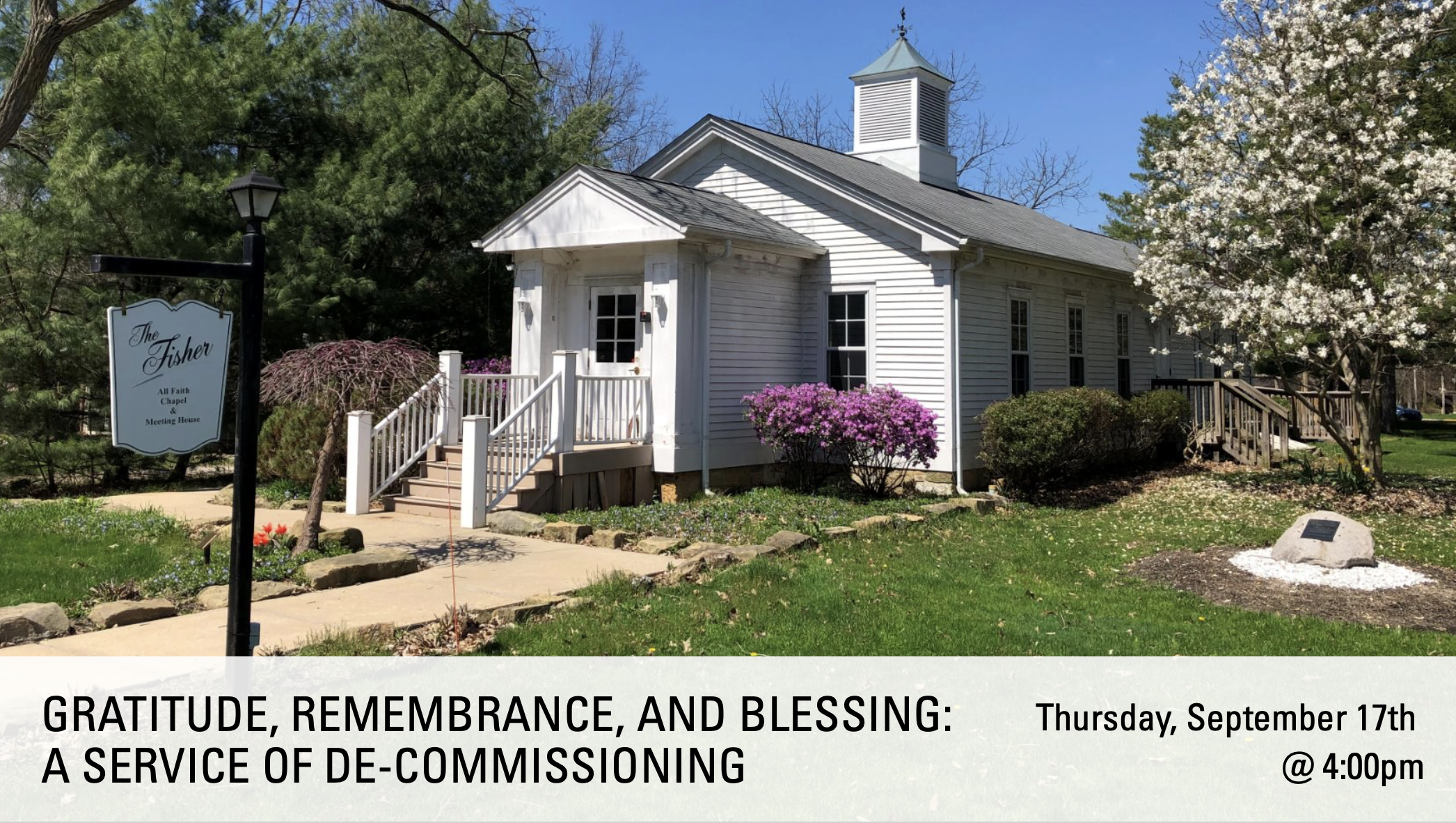
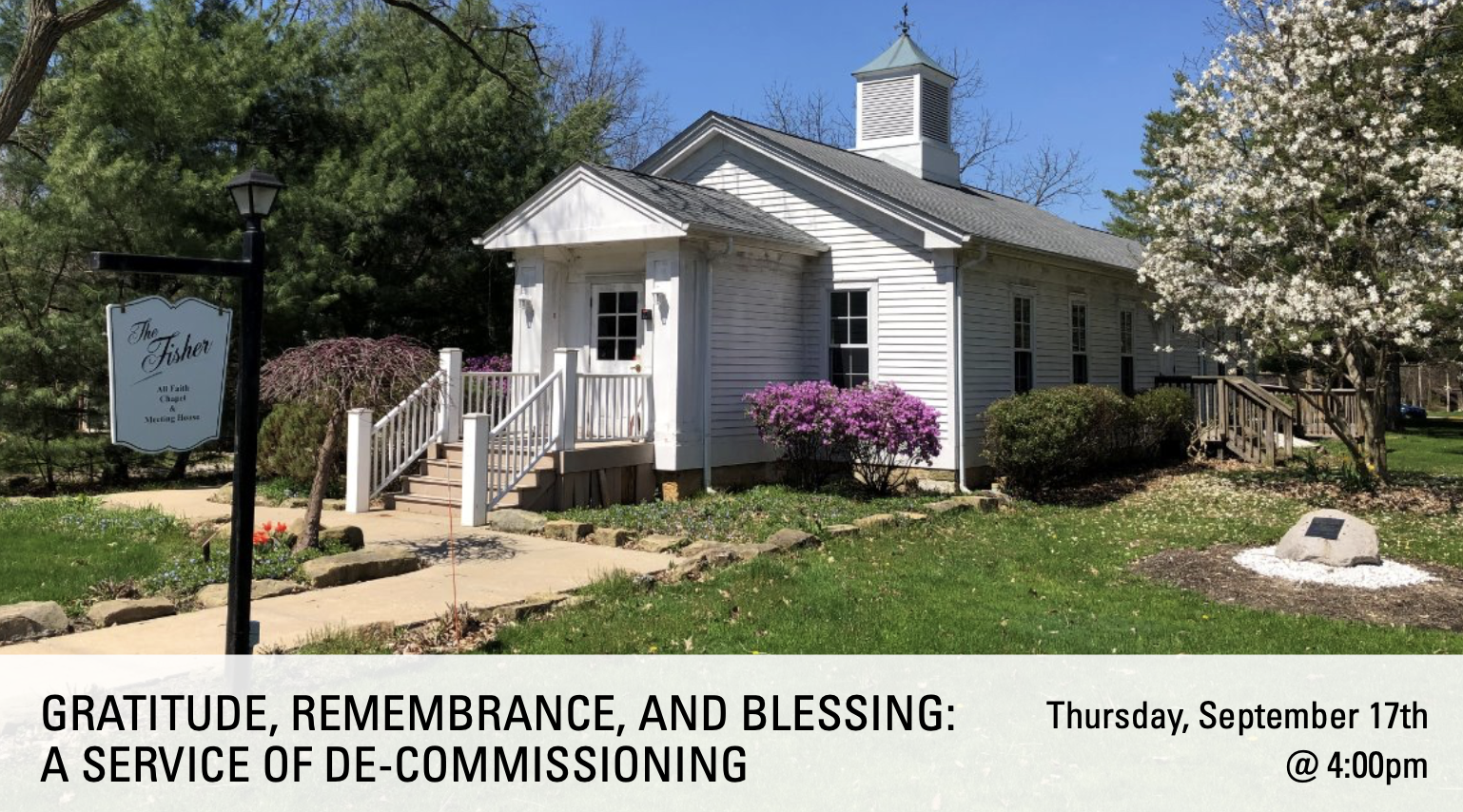
A Change at the College (The Fisher All-Faith Chapel and Meeting House)

The Fisher All-Faith Chapel and Meeting House on the campus of Hiram College has been a gathering place for students since its construction in 2003. First imagined by the late College Chaplain Tom Nichols, its fulfillment occurred under the leadership of Chaplain Jon Moody. With the generosity of the Fisher family, Dr. Moody worked with the administration, alumni, and current students to gather additional donations and set the design principles for a sacred space that could be inter-faith - welcoming of students of every faith and no particular faith. I was lucky enough to be among several student-leaders who were invited into the design conversations and marveled at the thoughtfulness and generosity of spirit that every person brought, all of which helped to make the Chapel.

The invitation at the door welcomed everyone to remove their shoes in recognition of the traditions that request this for sacred spaces. The chapel did not feature any particular religious art but did have a picture railing to display iconography temporarily while students gathered. The bathrooms included washing stations for students to clean hands and feet. The creation process and implementation was an exercise in what it means to be a good neighbor in a diverse and pluralistic world.

The Chapel has served the student body and community so very well. Student religious groups such as Hiram Christian Outreach, Hillel, Neumann Club, the Hiram Unitarians, and more gathered in this space. The Chapel has hosted meditation and yoga sessions to center students, staff, and faculty. It has also served as a healing space where the Chaplain could hold counseling sessions and where the Health Center could conduct group sessions. The sacred space has been a great gift to our community.

In locating the Chapel on the site of the historic Tiffany House, the administration of the early 2000’s imagined that future development of the college footprint would expand west of Hinsdale, moving beyond Frohring Music and Arts Buildings. However, a change in leadership brought a change in direction resulting in an expansion east of Hinsdale with the additions of the Townhomes, Dining Hall, East Hall, and athletic complex. Along with this campus reorientation, other factors including changes to the job description of the College Chaplain, elimination of the Religious Studies Department, and a demographic rise in religious disaffiliation have contributed to this sacred space being used less frequently than hoped. As Hiram College has encountered fiscal challenges and a need to consolidate space for the student body, the unfortunate decision has recently been made to sell the Fisher All-Faith Chapel and Meeting House.

I will be working with the administration to locate and prepare space(s) on campus that may be suitable for students to gather and host religious rituals. I will also be coordinating with the administration to ensure that valuable items from student religious groups are stored and preserved properly for future use. And, there is also within this change an invitation for the church as well - to consider if and how the church may make its space available not only to students of the Christian faith, but students of other traditions too.

What does it look like to create a “house of prayer for all nations”? It has been modeled before us - in our tradition and in our community. Perhaps there will be a calling to serve such a purpose for our community.

Let us continue to be Christ’s Church within an ever-changing world.

Peace,

Rev. Chris

Transcript and Video to the sermon, “Loving Matters”


In Our Church and Community:

Public Forum to discuss the current status and future possibilities of the Hiram Fire Department: May 13 & 14

The Village is hosting a pair of public forums in the Hiram Fire Department (11617 Garfield Road Hiram Ohio 44234) at 6:30 pm on both Wednesday, May 13 and Thursday, May 14th.

Interim Chief Tony Marotta and public officials will be present to address questions.

Bring whatever you are currently working on. We will be working on individual projects such as gel printing, painting, art journals. Sharing supplies and tips. Lots of quiet community time to work on your art. Come and bring a friend, have a cup of tea, share your passion.

Who will you invite?

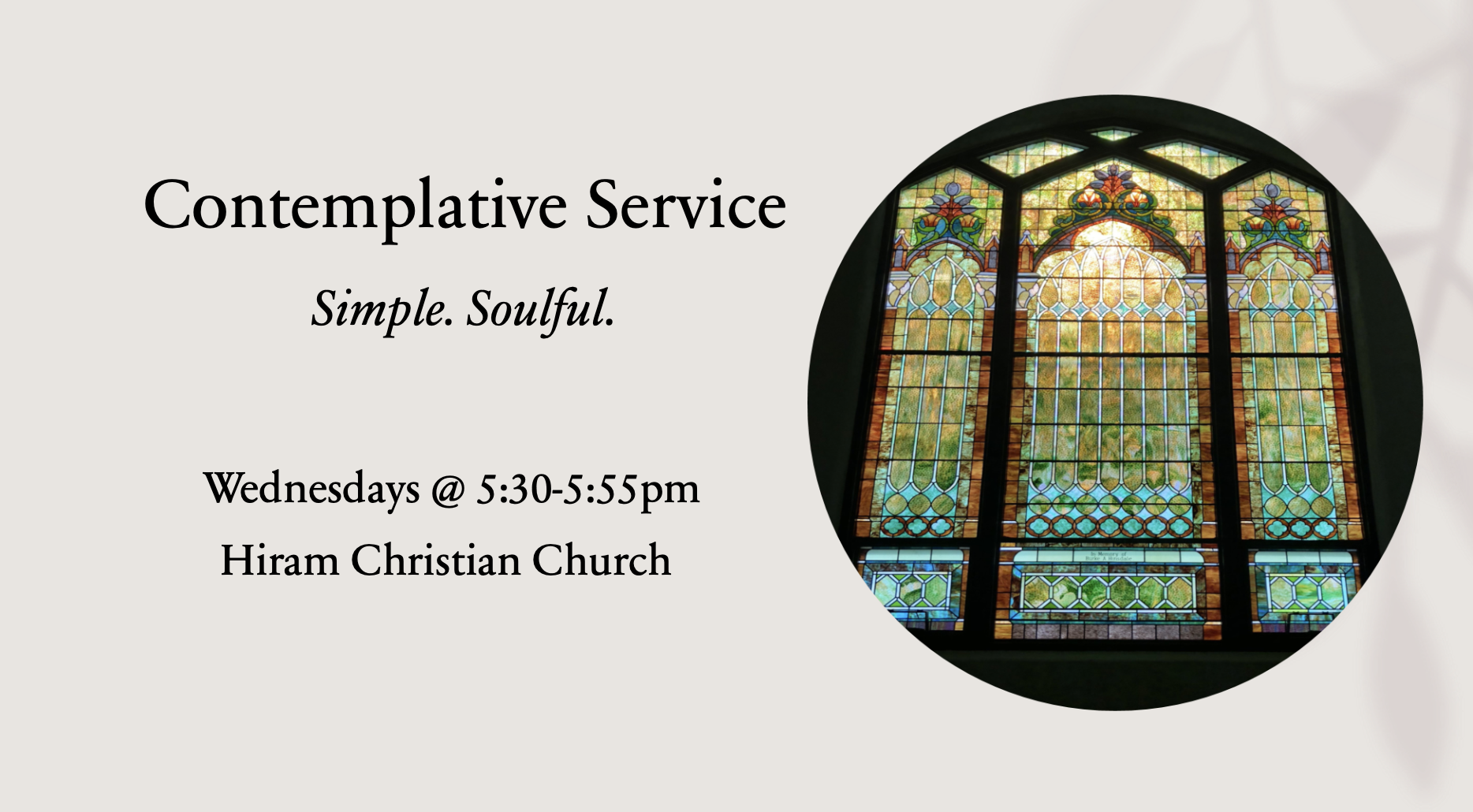
The final contemplative service of the Spring will be Wednesday, May 20th. It will return again in the Fall.

The Gospel with Roots

Apostle Paul Preaching on the Ruins by Gian Paulo Panini (1744)

This coming Sunday, our lectionary text leads us from the Acts of the Apostles into the Apostle Paul’s letter to the church in Phillipi. The narrative arc of the development is to proceed from proclamation of the gospel into a life and community shaped by the gospel. It is to move from a seed placed in one’s hand to the seed sown in a community garden. What comes of it?

As we look into the letter of Paul (Philippians 1.1-18a), the description of the life of faith can be read as quite general and vague. We read of “partnership in the gospel” and “good work” that is underway. We read the encouragement to allow love to be a guide in discernment of what really matters. It can make one wonder whether Paul was ever in Philippi or if he just picked up a generic letter from Hallmark.

But perhaps there is something beautiful in the lack of detail and in the generalities.

For how often am I reminded of the power of small actions and brief words. How often am I uplifted by presence and spirit.

There are times when I want to review the work and power of the Church and set out looking for programs, achievements, and developments - what is concrete and edifying that I can point to. And how often am I reminded that the strength, power, and gift of the gospel and Church can also be something so different.

Paul is articulating what matters, and perhaps it is telling what does.

Let us continue to be Christ’s Church, offering ourselves in service to one another, finding blessing in relationship, partnership, and good work.

Peace,

Rev. Chris McCreight

Transcript and Video of “Notes from a Pretentious Babbler”

In Our Church and Community:

Reflections from the recent meeting with Township Trustees and Village Leadership regarding the Hiram Fire Department.

Hiram Parks is hosting a Trivia Night this Thursday.

Hiram College is screening “Suffs” this Friday. Register for Tickets.

Conversion and Consent

Conversion & Consent

What the Spirit does is one matter.

What we do on behalf of the Spirit is another.

I am so grateful for the faithful presence and word shared by Joni Christian this past Sunday, and for the warm hospitality in which she was received. There is grace in the practice of loving our enemies by “taking cookies to them” and there is grace in the presence of community that wrestles with the nuance and application of the command/invitation in our particular contexts. Thank you. Thank you. Thank you.

In this Sunday’s worship. we will return to the Acts of the Apostles to hear of Paul’s experience in Athens. Within this account, Paul moves between judgment of the people and a generous spirit towards them. Likewise, he is regarded by the community equally as a “pretentious babbler” and as sincere and worth listening to. Some hear and convert. Some hear and do not.

The Acts of the Apostles is a work of the beginnings of the church, which features the expansion of the community - from 12 to 3,000 and upward. The book features account after account of preaching and relationship that lead to myriad new followers: Peter preaches and 3,000 convert. Philip engages with the Ethiopian Eunuch and they convert. Paul preaches in Athens and so on.

This follows naturally from the gospel accounts of Christ’s parting words and commissioning of the disciples to “Go and make disciples of all nations” (Matthew 28) and “Go into all the world and proclaim the good news to the whole creation” (Mark 16). But it is striking now to read of this in light of the world’s religious diversity and the divine command to neighborliness.

We remember from our past that the great commissioning has been elevated to compel Christians to evangelize and to do their very best to convert others, as though the divine will is for everyone to be Christian. This has led to everything from a sincere gratitude and conversion, to coercion and demands of assimilation that have dismantled cultural heritage of others, to imperial decrees to convert or kill.

The Church is still learning what it means to be Christian in relationship and in partnership with members of other religions. We are still learning/remembering what it might mean to create and live within a house of prayer “for all nations.”

And so we approach this text and texts like it understanding that good news is meant to be shared, and understanding that perhaps our gospel is not the only source of God’s good news on earth. We continue in the Acts of the Apostles to hear yet another story of conversion and hold this in recognition both that there are many within our world who are hungering for meaning, and there are many within our world who already possess a tradition and inheritance of meaning, belonging, and purpose that is different from Christianity, yet inherently good and equally worthy.

Conversion stories in a diverse and pluralistic world. That’s what the Church is leaning into now. Let’s listen for the wisdom and grace within the scripture and within our community. See you Sunday.

Peace,

Rev. Chris McCreight


In Our Church and Community:

An opportunity within the week to be still and breathe.

Hiram Arts Open Studio this Saturday, May 2nd from 1-3pm

Register for tickets by clicking on the link over the image.

Hiram Community Trust applications are due May 8th.

Contact Rev. Chris if you’d like to receive an application, workshop ideas, or review a grant proposal.

Everyone can be your teacher...

Sometimes the lesson is dramatic

and sometimes it is far more subtle

This last Sunday in worship, I shared an invitation to complete some “homework.” Shaped by the scripture of Saul encountering a light and Ananias as teachers, the assignment was to:

  1. Begin a day in prayer, asking for the humility and vision to receive someone as your teacher today. 

  2. Observe what happens throughout the day.

  3. That evening, observe what you have seen and known and learned. 

Did you happen to accept the invitation? If so, what happened?

I set out to address the homework on Monday and something happened.

I went to pick up the kid early from school for a dentist appointment and entered into conversation with another parent in the school office. She drives 45 minutes to work each day and was there to help her grandchild through a loss in the family. This is what commitment looks like.

While I was in the waiting room at the dentist’s office, I entered into conversation with an older gentleman. He had just witnessed the exchange between me and the kid after the dental hygienist asked me if I wanted to follow (the invitation from the hygienist was sincere; the facial expression of the kid was certain). As the door closed and I was still in the waiting room. Having observed a smile of recognition on his face, I asked him if he had children. He shared the good news of a soon-to-arrive grandchild (number 20!). I asked if he had any parental advice to share. The hygienist entered the room and invited him back for his appointment. He stood up and made his way to the door and said, “Stay involved.” This is what sharing wisdom looks like.

That afternoon, a young man came over with his family to purchase some farm equipment. None of the equipment worked as expected. But none of that could dissuade his excitement and enthusiasm to prepare for a homestead. This is what passion looks like - and how good it is to follow it as soon as we can.

And sometimes the lesson is learned as we gather

made plain in small encounters and long relationships

Richard Rohr has said it well that anyone and anything (everyone and everything) can be your teacher. The world is not short on wisdom and inspiration. However, it does not simply enter us by osmosis or inhalation. Something more is required: attention, humility, generosity of spirit, welcoming, allowing, reflection, etc…

As with Saul, all of this might be God’s way of crafting the instruments that we are to be a blessing in our homes and world. We might be expecting a flashing of light and heavenly voice - and we might receive it. But, I imagine that far more frequent is the gentle and even subtle learning from neighbors and acquaintances, loved ones, and the natural world.

What did you learn? What are you learning? What came from your experience of the homework?

May we offer our attention to the teachers before us. May we be refined for goodness.

Peace,

Rev. Chris McCreight

Manuscript to the sermon, “The Flashing Light and the Gentle Flame”


EARTH DAY!

“There are no unsacred places.

There are only sacred places, and desecrated places.”

~ Wendell Berry

How are you honoring Earth Day and cultivating a faithful stewardship of the earth and resources?

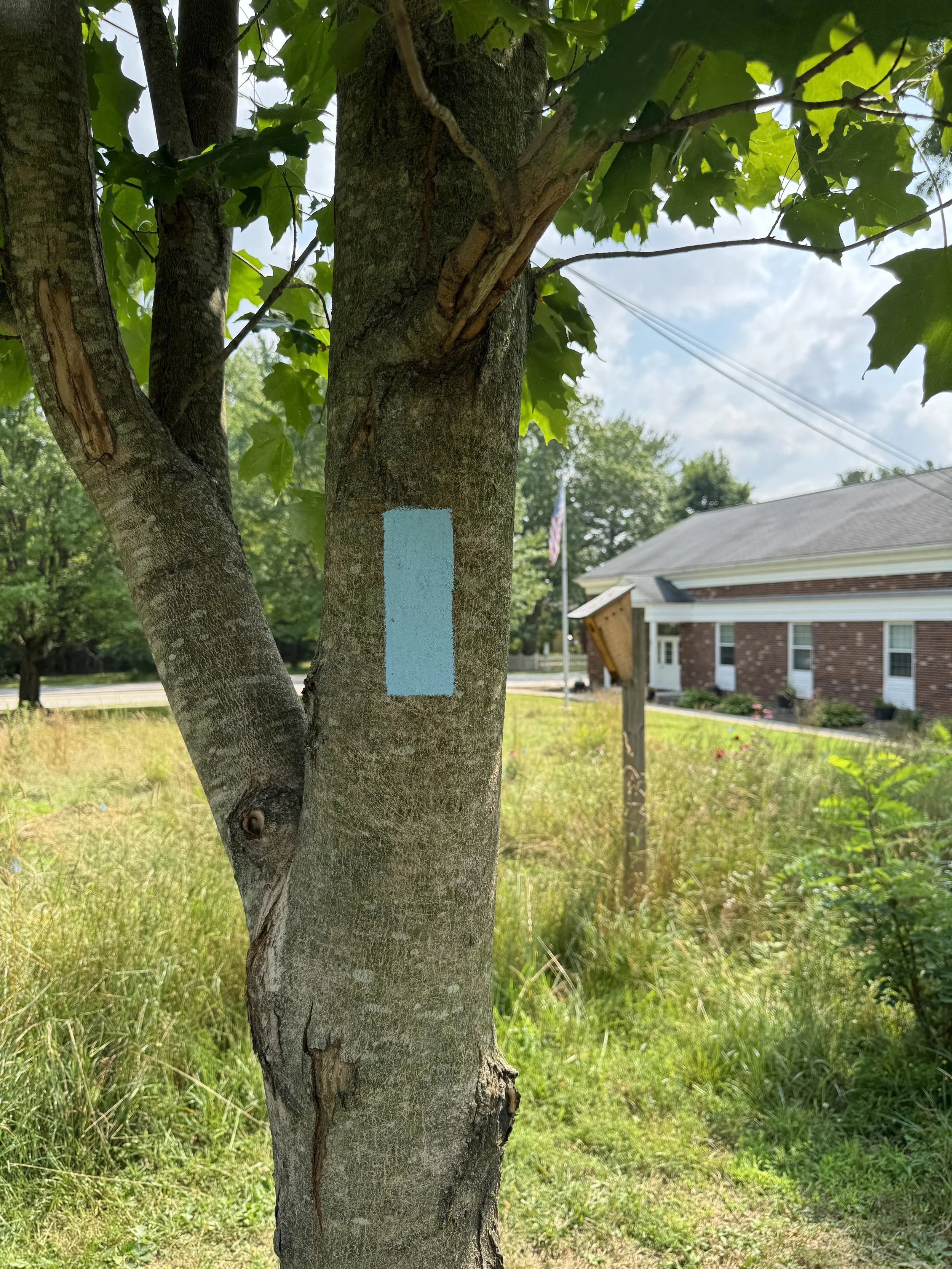
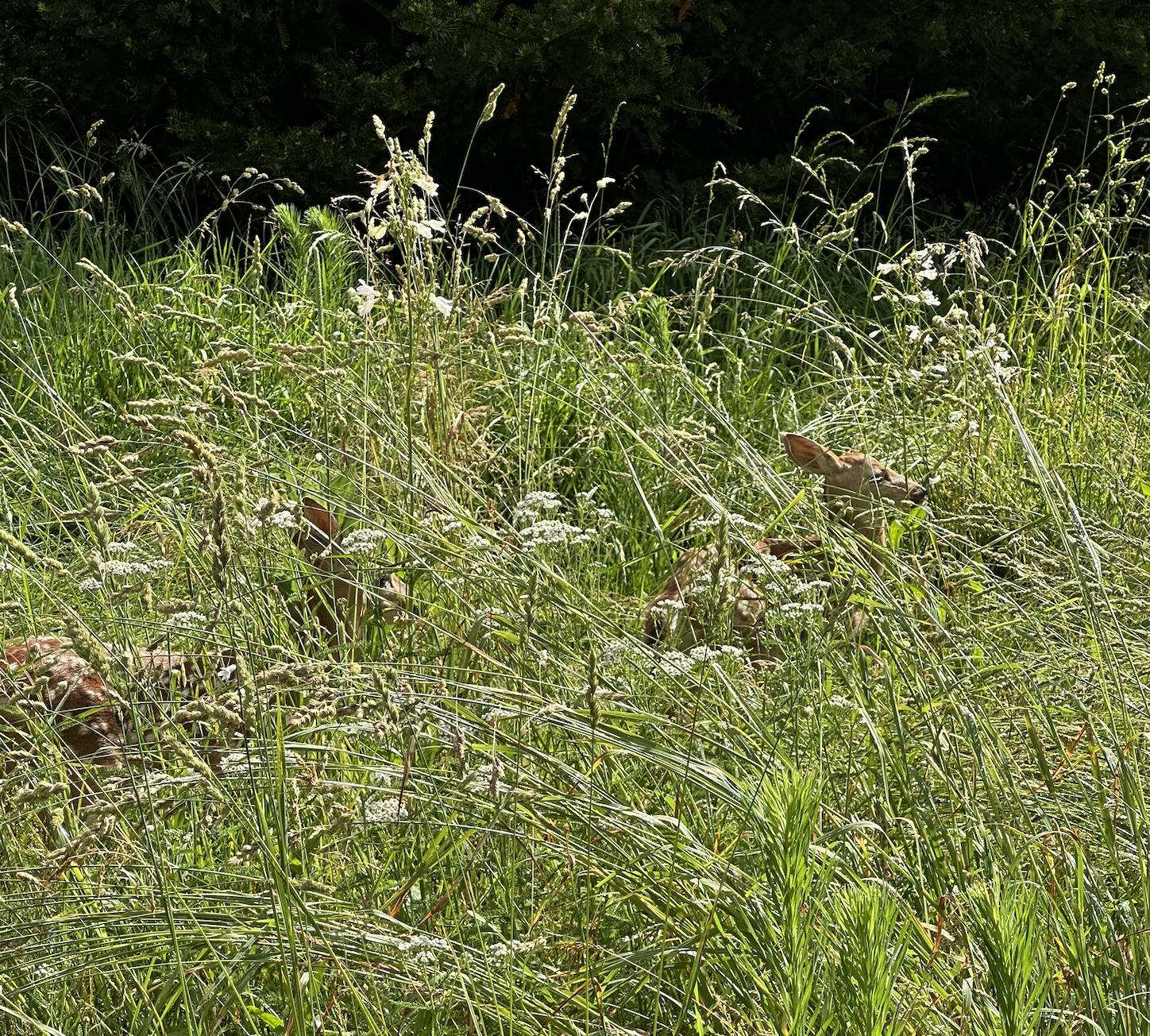
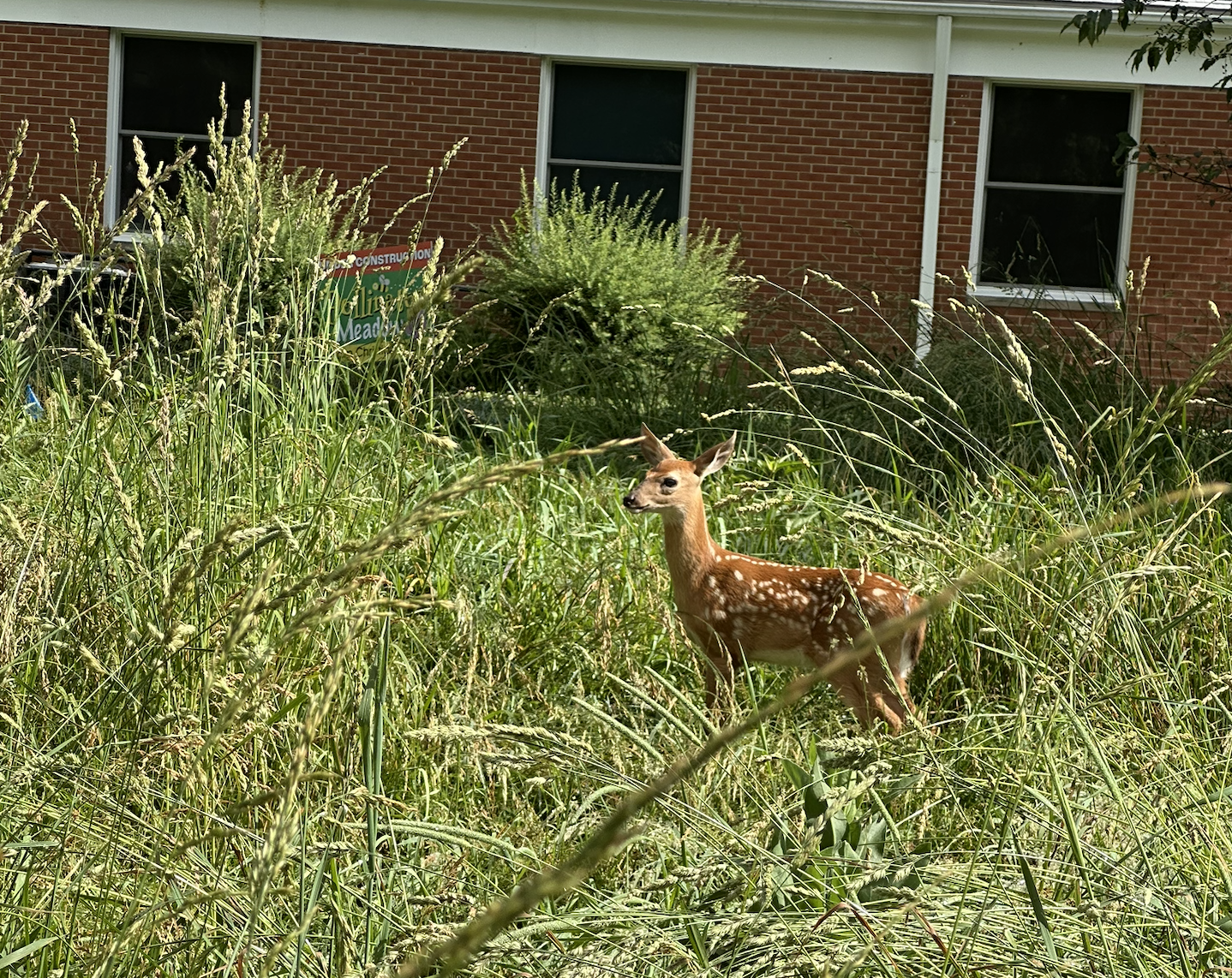
One way that we are doing this together is through the development of a native meadow on the south lawn. The Hiram Community Trust has generously funded our project to plant hundreds of native flora in the green space to benefit the soil, insects, birds, and wildlife (including us!).

Plant a tree. Turn off the lights and heat. Lay in the grass. Enjoy a vegetarian meal. Walk where you can. Let the grass grow longer. Adopt some sheep. Slow down the consumption. Install some solar panels. Advocate for healthy air, water, and soil and public lands. Take a hike. Stare at the clouds. Listen to the birdsong in daylight and the howl of coyotes by night. Love leads to proper service.


In Our Church and Community:

Sunday, April 26: Welcoming Rev. Joni Christian as our Guest Preacher

Rev. Chris will be away this coming Sunday to attend the wedding of a friend. We will be welcoming Joni Christian to participate in worship and preach. Joni is of the United Christian Church and will be sharing a word based on the scripture of Luke 6 - Love of Enemies.

We know of the command to do so, and we may often struggle to put this into action. What does love of an enemy look like? Is it passive, allowing one to continue to do us wrong and even harm? Or can it be to stop the harm? Can it be active in creating boundaries and transforming animosity and healing wounds?

Each relationship may request some different shape of love, and how good it can be to return to this scripture and seek wisdom and grace to put it into practice.

Come share in the goodness of a Sunday morning service together. Come and welcome and receive Rev. Joni Christian on this special Sunday.

Practicing Resurrection

Conversion and community

This Sunday,

We will be returning to our regular worship service and regular narrative lectionary reading to encounter scripture within the Book of Acts (9.1-19a). We will hear the first account of Saul’s conversion experience that involves a flash of light, a heavenly voice, disorientation, and something like “scales falling from his eyes.” It is a conversion story as Saul is confronted and repents of his persecution of the “heretics.”

Something of this story may resonate within our own hearts. Perhaps this has been similar to a conversion you have experienced in your life (it certainly resonates with my own experiences). And, there is something here within the story that may apply not only to we who are in the process of converting from one thing to another, but to those of us who are present to others in the process of repentance or transformation.

Saul’s experience is not alone. He is surrounded by friends and by neighbors. All of them are integral to his becoming.

So come and join in a time of worship this Sunday as we draw from Saul’s experience (and perhaps our own) to consider how we may accompany one another - at our own pace.

Peace,

Rev. Chris McCreight


Live the Resurrection Sunday (and every day)

This last Sunday was magnificent.

Some of us gathered at the church to participate in acts of service. Some of us stepped into acts of care and neighborliness around our homes. Some of us finally surrendered to a time of rest and restoration. All of it is good.

Thank you for the ways that you serve Christ’s Church, your community, and your family. It is all how we serve the world from our little corner of it. And it all moves through the world as a life-giving breath.


Beginning this sunday @ 9:45am

The “Adult Elective” Sunday School class will begin a new book this coming Sunday: Richard Rohr’s What Do We Do with the Bible.

Copies are available on Sunday morning.

All Are Welcome


In Our Church and Community:

Chi-Rho Rock Climbing: Sunday, April 19 @ 3-5pm at Shaker Rocks

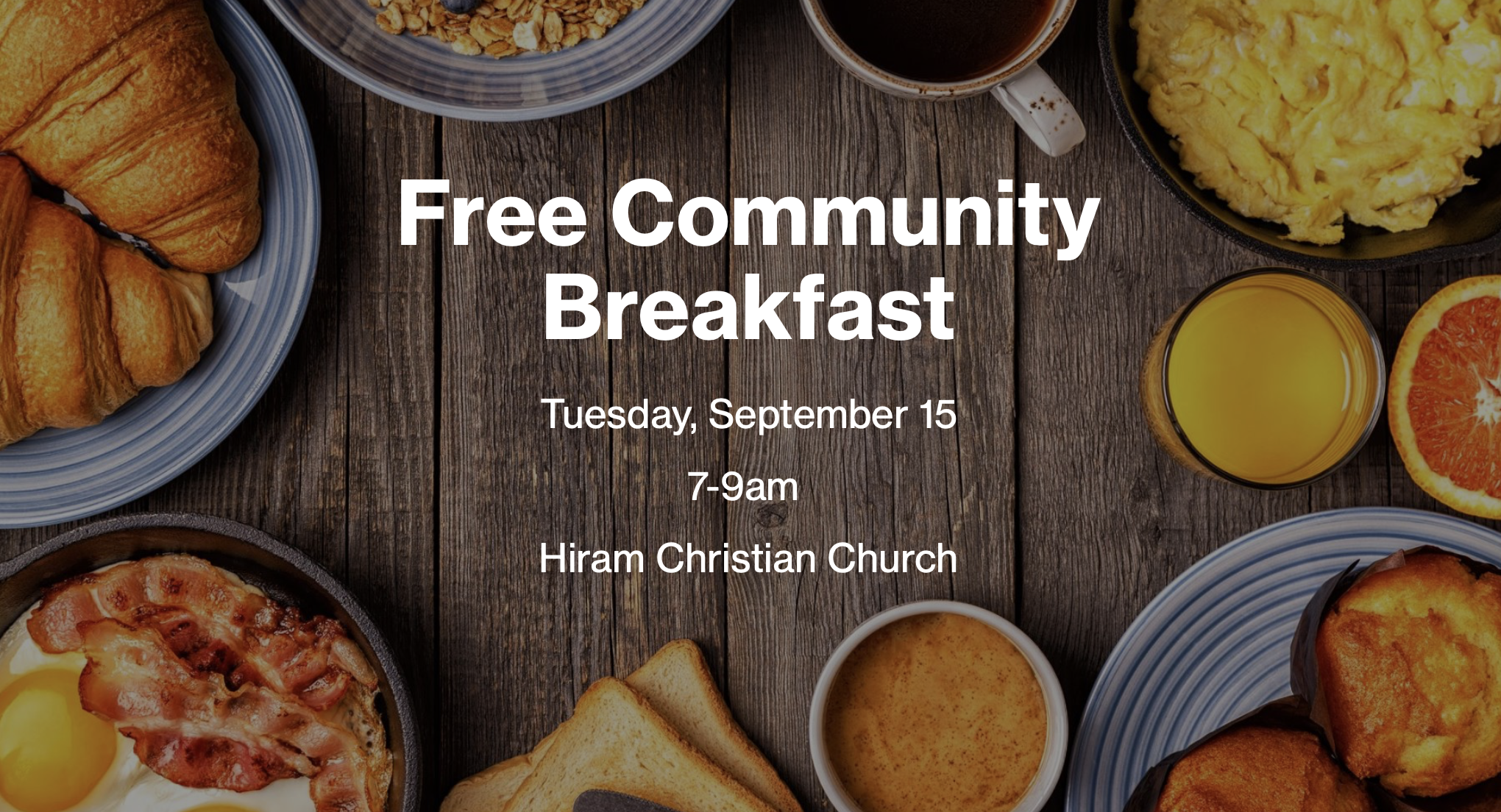
Community Breakfast: Tuesday, April 21 @ 7-9AM in the church fellowship hall.

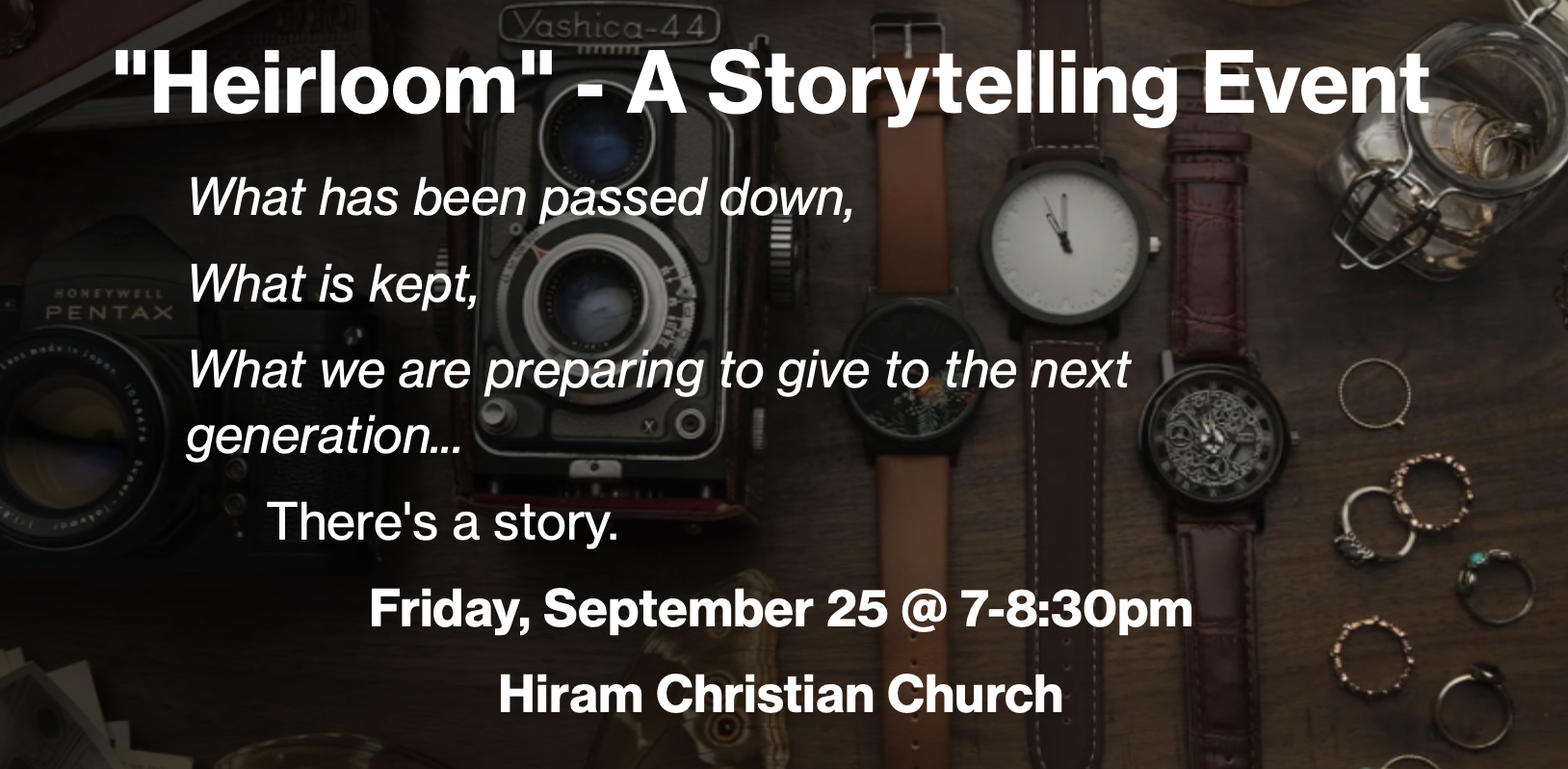
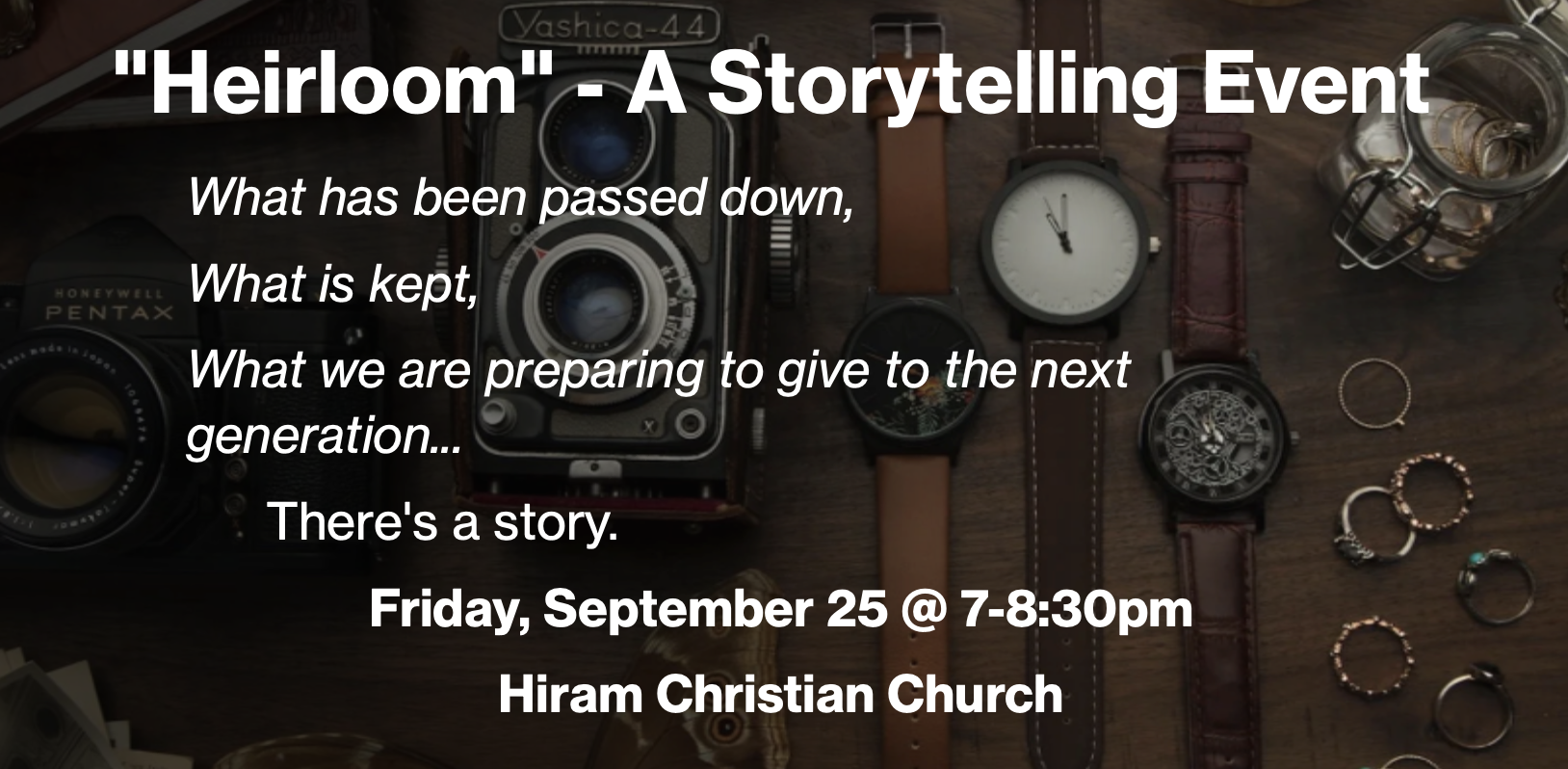
Story Telling Event: Friday, April 24 @ 7-8:30PM in the church fellowship hall.

Risen Indeed! Now What?

Risen Indeed!

Now what?

The resurrection account within the Gospel According to Matthew is surprisingly brief. To be sure, it is filled with a litany of phenomena - an earthquake, angelic figures, an empty tomb, and an encounter with the resurrected Christ - and it is still quite short. Mary Magdalene and the “Other Mary” enter through this wild procession just after waking, one after another. And with every encounter, there is this a similar message that follows: “Do not be afraid.” and “Go.”

It is curious that there would not be more material on the resurrection. For that matter, it is curious that there would not be more material on the Kingdom of God. What ever happened to that???

If we remember, the life and ministry of Jesus began with the proclamation of the Kingdom of God at hand. Shaped by the prophetic imagination, most were hoping that this Kingdom of God would be a reinstatement of the United Kingdom of Israel similar to the time of King David. Whether that was to return through a peasant uprising, coup d'état, or divine miracles, the foundation of this hope included the removal of Roman occupation and the regaining of independence and identity. This is the idea that Jesus taught and proclaimed. This is the image that Jesus moved into with the Procession of Palms. This is still the hope that carries them to the Upper Room and even to the foot of the cross. Waiting, hoping, longing.

But part of that hope collides with the reality of the cross. Jesus was not going to overthrow the Roman seat. Angels did not descend to save the Son of God from violence and death. God didn’t even cast one plague upon Caesar or Herod or Pilate as God visited upon Pharaoh to elicit the Exodus.

Part of that hope collides with the reality of the cross. And perhaps part of this hope emerges from the emptiness of the tomb and the angelic chorus: “Do not be afraid. Go.”

Do Not Be Afraid. Go.

If the Kingdom of God is not going to come through utilizing great power over, but power in service to and in kinship with others, then perhaps this Kingdom will be something different than the common kingdom with a singular leader, brick and mortar boundaries, and a military force to protect it all. Perhaps the Kingdom of God is something more mystical that rises up seemingly anywhere - where love is known and guides a community. Perhaps the Kingdom of God is that which is visible around the table at the Last Supper, and in the assembly who remained present to their loved one in suffering, and in the honoring of grief together in the cemetery.

Perhaps the Kingdom of God is then found anywhere and everywhere people orient themselves towards love (even when afraid) - emerging even and especially in the basic, routine, and trivial.

Those who encounter the resurrected Christ don’t seem to linger long. They don’t seem to be too concerned with understanding the physiology or physics of the miracle or metaphor. They don’t take up arms in vengeance nor storm the Governor’s mansion in retaliation. They don’t assemble the first conference of apostles to formally found “the Church” and create a mission statement towards world transformation.

They go back to their communities. They likely go back to their work. It is all similar, and perhaps there is something about it all that is radically different - enlivened, holy. Perhaps the Kingdom of God is revealed as this gentle and generative force. It is not “potent” by the standards of the world, and yet it demonstrates itself as powerful as we need it to be - each and every time.

“Road to Emmaus” by Peter Koenig

Perhaps Christ sends off the disciples to discover the Kingdom of God among them - again and again - in the basic, routine, and seemingly trivial.

Yesterday a scheduled delivery of mulch arrived at our house - 8 cubic yards to distribute upon the garden beds. That afternoon I found myself shoveling shredded branches into a wheelbarrow in the sunlight. At the same time a President spoke of expanding this war of choice to genocide. It was Easter just the other day.

Part of my work felt trivial and mundane. Part of it felt hopeful and defiant. The resurrected Christ encounters the world and reveals something about the Kingdom of God.

What now?

Do not be afraid. Go.

And so Church, we do.

Peace,

Rev. Chris McCreight

Manuscript to the sermon “What About Now?”


Community Concert Saturday, April 11 @ 5pm

Dr. Areum Sarah Park (piano), Minchae Kim (violin), and Daniel Kwang Keun Oh (bass-baritone) will perform a concert at the church to benefit our local charity, Kids Weekend Meals.

The set list includes works of Beethoven, Mozart, and Strauss. You will want to be here for this.


CYF Mission Trip Fundraiser: April 12 @ 5pm

Dinner and Auction

Mantua Center Old School

Our youth group, CYF United, will hold their annual Dinner and Auction to raise funds for their June mission trip to North Carolina. The youth will be assisting with repairs and clean up after the 2024 Hurricane Helene.

The dinner includes homemade soups (10+ varieties) and homemade rolls along with salad and beverages for a donation of $10 per adult, (children 10-4 for $5, 3 and under for free). Back 40 Treats will also be on hand to sell fresh donuts and ice cream with all proceeds going to the Mission Trip.

The trip participants have contributed handmade items that will be auctioned off, including a birdhouse, deer hide, baked goods, devotional items, plant hangers, a quilt and an afghan.  

Tickets may be purchased at the door.  The address is 11741 Mantua Center Road. 

Call Pam Auble, 216-308-7930, if you have questions.

Palms and Holy Week

There is room for one more. Always.

Get in loser.

 They brought the donkey and the colt and put on them their cloaks, and he sat on them. ~ Matthew 21.7

Matthew’s account of the triumphal entry into Jerusalem presents us with an intriguing image of Jesus riding on both a colt and a donkey. All the way into town. In an eager interpretation of the messianic prophecy of Zechariah (9.9), the author of Matthew’s gospel misses the poetic expansion of the humility of the steed,
Lo, your king is coming to you.
He is victorious, triumphant,
Yet humble, riding on a donkey,
On a jackass foaled by a jenny.

And instead reads it as a literal addition, and so Matthew’s story envisions the prince of peace processing into Jerusalem on two animals.

Excellent.

But again, I struggle to believe that Jesus was able to ride into town vertically integrated (help my disbelief!). Nor do I imagine that it would be comfortable for one to travel that distance straddled across two animals. So instead, perhaps Matthew’s depiction provides us with an extra animal - and an extra seat.

What a gift this interpretation becomes when imagined with room for one more. This becomes an invitation to the crowds all around him: hop on; get in. This is more than an invitation to accompany to the Temple, but a symbol for all of life. Understanding who Jesus is and sensing the genuine nature of the gospel, the invitation is to join in and move with Christ in the ways of love.
To humble service. To courageous living. To abundance through generosity. To the brilliance of a soul come alive. Get in on this. There’s always room for one more.

This annual procession is yet another invitation to renew our commitment and remember our movement with Christ and vice versa.

And, if you are feeling as though you have found your place in this sacred procession, then perhaps the invitation for you is to keep your eyes, ears, and heart open for who else may be hoping to be welcomed in. Reach out and make room. Offer the seat atop the colt and celebrate their place. Listen for the hosannas and invite one to move from spectator to a guest and friend.

This divine movement has plenty of room. And it’s for everyone.

Peace,

Rev. Chris McCreight

Manuscript and Video of the sermon, “Get in Loser.”

Moving together with our friends from Hilltop and Mantua Center Christian Church