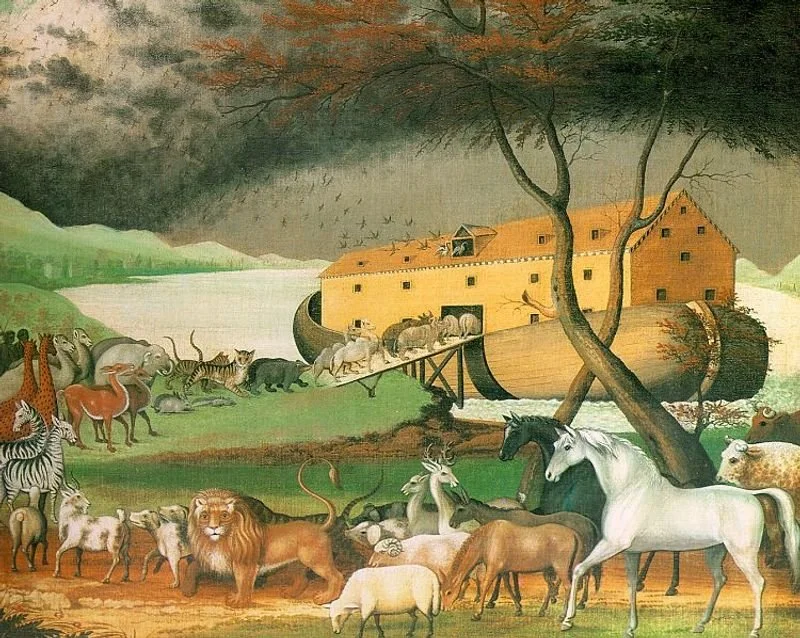
Park it on your lawn
Not large enough to contain everything, but large enough to notice.
As we wrestle with some of the imagery of the story (mostly that of divine violence), we can move from an interpretation where God used violence to condemn violence (something that never works and a heretical feature to a God of love) and move towards an interpretation where violence itself becomes the flood. We have read and perhaps even known of the all-consuming nature of violence to destroy what was once flourishing. This re-creation myth conveys what the people have known so very well, and becomes less a story of divine judgment and more a warning about the lesser qualities of our own potential and a story of divine deliverance and salvation.
Noah, build an ark.
450 feet long.
75 feet wide.
In your front yard.
This is enormous. Not large enough to contain a pair of every single creature, but don’t worry about that, says the commentary from Kli Yakar:
The text specifies for us the measurements of its length, width, and height for two reasons. First, to inform us of the magnitude of the miracle that a small space contained much, as there were large creatures there such as elephants and re’emim [wild oxen].
We’re entering into the miraculous. God is a god of abundance and there will always be enough room for all. The ark is 300 cubits long and 50 wide and don’t worry - there’s room. That’s the miracle of generosity and compassion.
But if there is a miracle in the amount of space, there is no such miracle offered to help Noah along with the timeline. The commentary tells us that it took Noah 120 years to build the ark! (Yes, time is perhaps something different in these stories as Noah lived into his 600’s…)
But 120 years of work! Why couldn’t God perform a miracle here that led to some Disney-fication of the story so that all of the forest creatures are suddenly helping in the work of sawing, hammering, and pitching like with every Disney princess? Noah didn’t receive any help - and for good reason.
I love this note from Rashi about why it took Noah 120 years to build the ark:
MAKE THEE AN ARK — There are numerous ways by which God could have saved Noah; why, then, did he burden him with this construction of the Ark? So that the men of the generation of the Flood might see him employed on it for 120 years and might ask him, “What do you need this for”? and so that he might answer them, “The Holy One, blessed be He, is about to bring a flood upon the world” — perhaps they might repent (literally, return to God) (Sanhedrin 108b).
Yes. Even from the beginning, the future is fluid.
Even within a story where everything appears certain and cast, mercy, care, and repentance can all change everything.
One could have come over to ask what Noah is doing and that could have changed one’s heart.
That person is now helping Noah and others come by - they hear, learn, change, and more are in the work.
Perhaps everyone - or just enough - change and repent and the flood waters of violence that had been rising cease and abate.
Perhaps the flood never comes.
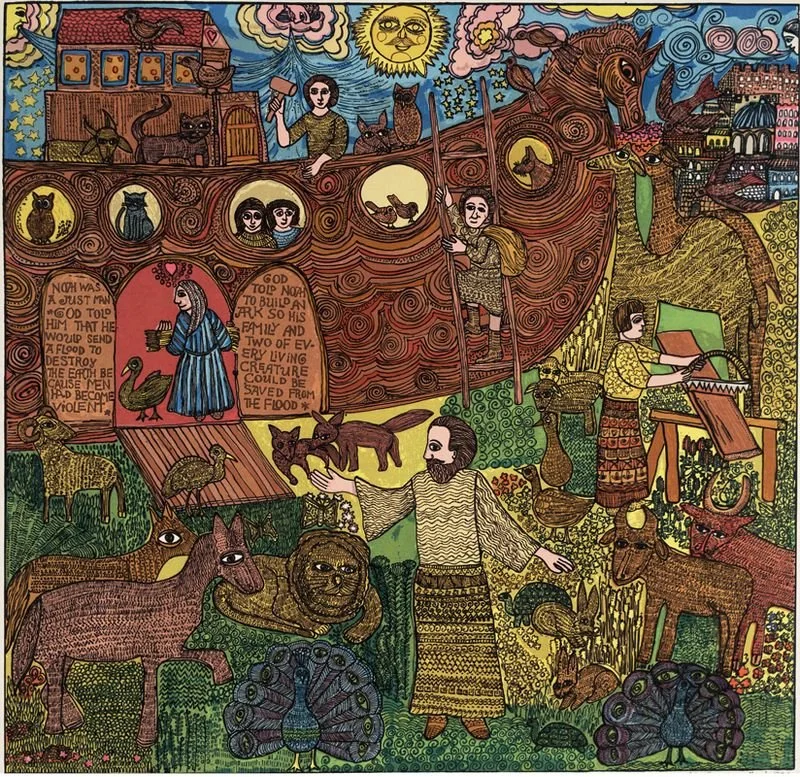
This is the image of God found in our tradition from the very beginning. A creating God who loves and is committed to us - even when we pursue our own destruction - always.
God still enters into our world - even when the future seems certain and cast already for us. Speaks and stirs within humanity to find one, two, or more who might care enough to work and serve to partner with God to save.
But this isn’t just to save ourselves and our loved ones (although this, too, is noble). The call of God to find a partner in some saving work is going to involve some measure - some action - some sign - to try to bring in and save someone else.
And so God tells Noah, build an ark. It’s going to be huge. It’s going to take you forever. In the end, it may not even be necessary.
Yeah. That’s the kind of God we’re working with.
So if there is a call within you to join in God’s saving work…Perhaps it is to help save part of creation from the rising waters of the climate crisis, or to help save our nation from the rising waters of corruption, division, greed, and violence. Perhaps it is to help feed our hungry children in our community, or to help the most vulnerable children and young people in our communities to trust that they are members of, and belong to, this world.
If you’re responding to a call, and partnering with God in this saving work, let it be known. Let it be visible. Unless it requires discretion and privacy (which some good and faithful work does), make it known like a 450 foot ark on your lawn. Perhaps others will join in the work. Perhaps those of us who need to repent will repent.
Perhaps salvation will come before the waters ever do.
Peace,
Rev. Chris McCreight
Manuscript and Video to the sermon, “Starting… Now”
In Our Church and Community:

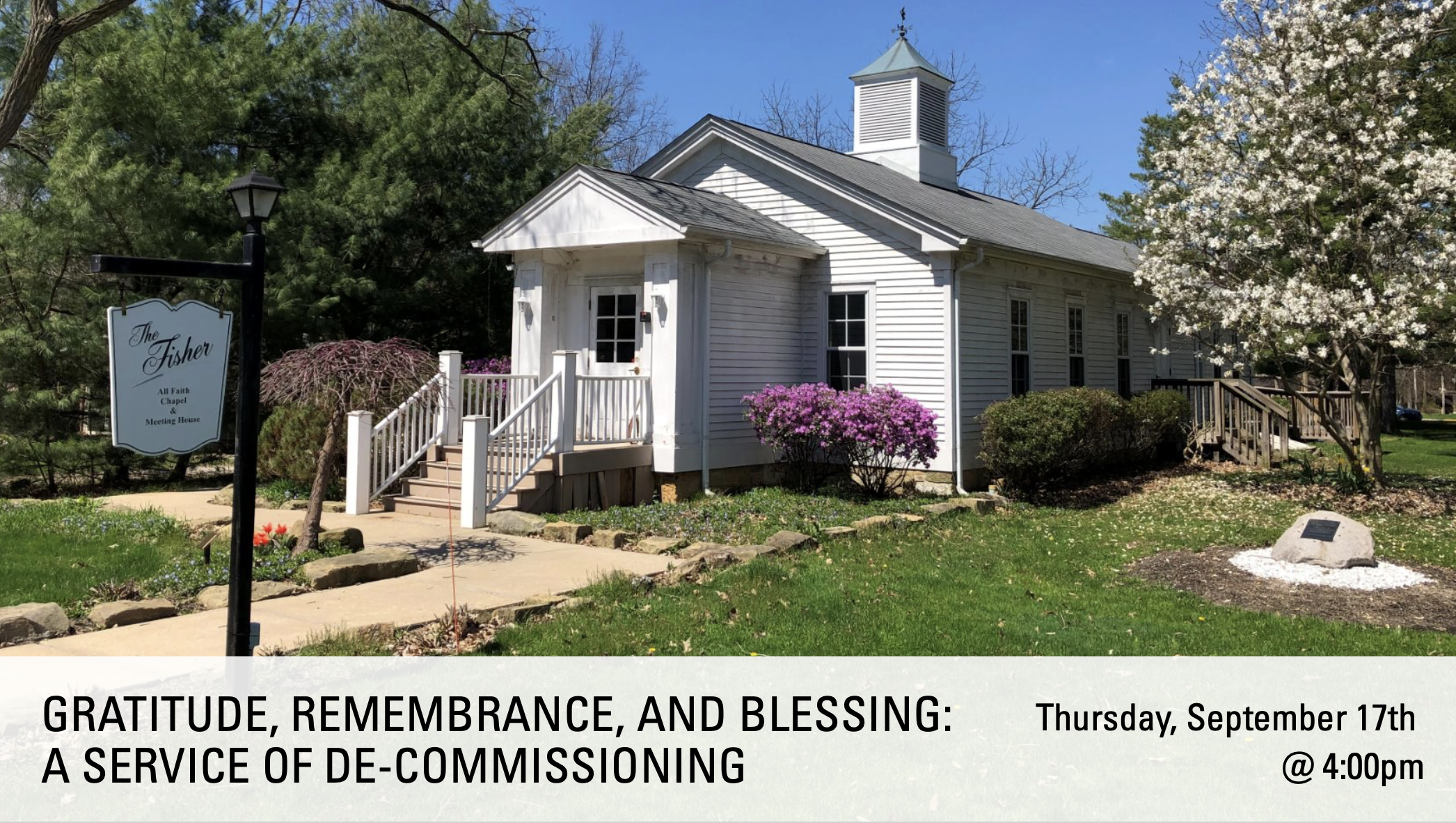
This service has returned for the Fall Schedule
Connect and listen to the soul.

The Adult Elective Sunday School Class will Begin this Sunday @ 9:45am
We’re moving into this work by James Finley to learn more about Merton and what his faith and work may have to offer to our own.